
Playbill.com founding editor, author, and journalist shares lifelong passion for turning theatre into news
By Amy Nicole
For decades Robert Viagas has been a leading voice of Broadway news, most notably as Playbill.com’s founding editor, but with a new book release, Right This Way: A History of the Audience, his passion for telling stories continues to burn.
Now in an unexpected turn in post-retirement, he continues his career as editor-in-chief of the Atlanta based program company, Encore Magazine. What started out with working one day a week beginning in 2020, has since grown rapidly following Robert’s expertise with Playbill, creating programs such as the Tony Playbill and distinguished reputation that accompanies. He now creates programs for 22 theatres in 15 cities including Broadway Across America (BAA).
“We grew very quickly and we’re still getting calls,” he said.
The start of his career, in essence, began in high school at 17-years-old while writing theatre reviews for the Franklin Square Bulletin on Long Island, NY. At that time, he said, he didn’t really know he wanted to be a writer he just loved seeing shows.
However, what he did know, he said, was at a young age he had passion for theatre coming from a working-class family. Writing reviews was a win-win after learning it was a way to see shows for free.
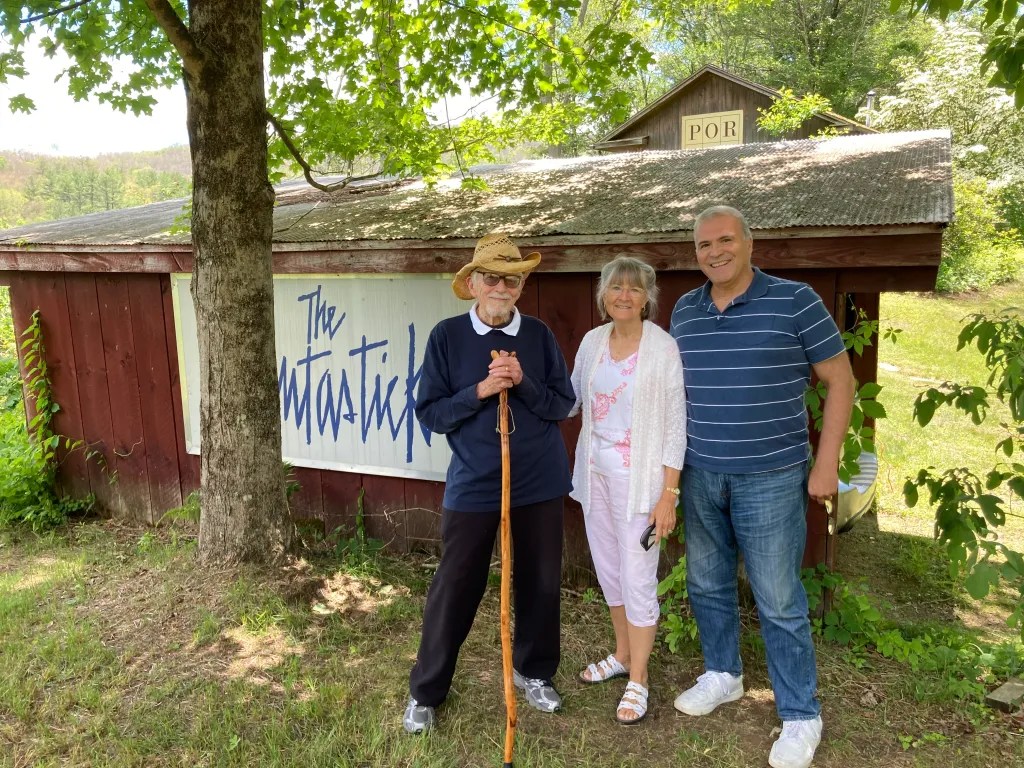
Prior to his spark for writing, came his intrigue of the stage at the young age of 12 when he saw “The Fantasticks” by Tom Jones, his now friend, at the old Westbury Music Fair with his father.
For Robert, he said it was a “seminal” moment for him when the character Henry, the Old Actor (a Shakespeare actor who is not) left the audience laughing with the line, “Screw your courage to the sticking place,” and he had no idea why it was funny. He asked his father why everyone was laughing and with a classic parental response his father simply said he would tell him when he was older.
“This was seminal for me because it made me feel theatre was full of secrets; a secret knowledge I had to learn,” he said reflecting. “I really have spent the whole rest of my life pursuing that secret knowledge.”
Since then, Robert has spent the collective of his life exploring every avenue leading to what creates the draw for theatre, including: the love for performance, and the different ways humans gather as an audience. This is also the core of his first chapter from Right This Way, “Gathering Around the Fire.”
Having gone into his college years at Hofstra University as pre-vet, Robert’s passion for being a theatre writer took over after he received an internship with Newsday. The internship inspired him to switch gears and graduate with a major in communications as part of his three minors including one in theatre.
As fate would have it, Robert walked right into news on July 13, 1977, while on his way to see a Broadway show after he passed by the Daily News on East 42nd Street playing backdrop as Superman shot the first movie lighting up the NYC skyline with giant flood lights. Moments later when he walked into the theatre everything went dark. Not knowing it was city wide, he thought that Superman had caused the lights to go out.
He raced back to his friend’s apartment and called Newsday’s city desk when the editorial page editor and Pulitzer Prize winner, Sylvan Fox who Robert said never would talk to an intern took his call after telling the receptionist he had a great story, “Superman Blacksout NY.”
For the next two days Robert said he interviewed people and went back down to where the movie was shooting when a woman who was there said to him, “Where is Superman when you need him?”
The woman’s quote became quote of the week and Robert won 3rd place in an AP Byline Award during his internship etching Broadway news on his resume. This, unknowingly, set the bar for a life in the heart of it all to come.
“Because I had done the internship at Newsday, doors opened for me,” he said.
Without wasting any time, Robert received his first writing assignment post-college in 1978 only two weeks after graduation in Westchester County with the former Gannett newspapers, now known as Lohud. At that time, he was a general assignment reporter.
Fast forward to 1980, after paying his due diligence, Robert was given the chance to become a theatre critic for the same newspaper at the aspiring age of 24.
But what was a temporary assignment in title, led to staying a part of the theatre coverage writing local reviews for theatres such as Yale Repertory Theatre (having reviewed all their shows in the 80’s) and Goodspeed Opera House.
“I used to go out to lunch with August Wilson, because he was unknown at the time and he was just writing his first plays,” Robert said.
Robert was in the front row as theatre history during that time period unfolded right before his eyes as he took in countless shows on their way to Broadway. He also interviewed memorable emerging playwrights such as the late aforementioned Pulitzer Prize winning playwright, August Wilson. He recalled how August loved to talk about listening to old blues records and would tell him that the music would tell him how the characters sound.
While Robert embraced the opportunities to get his start, he said the dream to be a writer in NYC continued to grow, feeling like a wall he could not break through. That was until the creation of the internet and a company called Prodigy which led him directly to the beginning of playbill.com.
At the heart of this dream to be a writer in NYC was an even grander dream, Robert said, to start a newspaper where theatre was on the front page every day.
With the concept of creating a daily theatre page that would reach “1,000 Points of Light,” he pitched his idea to publishers. Sadly, though, there wasn’t enough call for that in print. Determined and innovative, he turned to Prodigy, one of the first online services local to him, and asked them if they were looking for an editor.
The answer from Prodigy was yes, and Robert became a “Theatre Expert,” a title to this day, he said, is his “most proud title he has ever had from any job,” answering questions from subscribers before there were browsers. Eventually Robert’s role grew from arts editor to producer. It was a true moment when the then publisher of Playbill, Philip S. Birsh came to Prodigy and asked for help to become the “encyclopedia of theatre” on the internet.
Robert said they discussed creating “Who’s Who” on the forum, how to find out about any show, any actor, anytime and how to monetize with ads. Responding to the idea of becoming an encyclopedia, Robert proposed the question, “How many ads do you see in an encyclopedia versus how many do you see in a newspaper?”
Answering his own question he continued: “I said, what you want to be is the newspaper of theatre.” And in 1994 Robert became the webmaster of Playbill.com bringing “theatre news” from print to the internet 110 years after the theatre program magazine, Playbill Inc. was founded by Frank Vance Strauss in 1884.
Originally called Playbill On-Line, the new platform was launched in August of 1994 with a plot summary of “Hamlet” written by Robert making it the first item entered into the database still used to this day.
All the while focusing on writing theatre news, a pivotal moment as an emerging author came along when Robert said he interviewed his now late mentor author (The Ghost Flight 401) and Saturday Review Magazine columnist, John Fuller, who became an inspiration behind his work. With Robert’s eventual release of the book, Good Morning, Olive; Haunted Theatres of Broadway and Beyond, he said John was a direct influence on his ghostly storytelling.
“He (John) was skeptical but so many people told him the same stories it actually inspired the book that I wrote,” he said.
Robert states he has never had a “ghostly experience” himself but became captivated by so many people who had with stories so consistent. With a concept in place and content building underway for his Playbill Broadway Yearbook, he said he simply started asking the question: “Have you had a ghostly experience? And they started answering.”
Over 10 years, Robert said he started a spreadsheet of every row, every theatre and found the theatres that always had ghosts and some theatres that never had any ghost stories. It was when the late Playbill columnist, editor, and longtime ghost story collector, Louis Botto retired leaving unanswered phone calls from people calling in with ghost stories when Robert really got an earful taking over calls.
“A lot of times people just want to be comforted. They just want to be told they’re not crazy,” he said, and felt like he really calmed people down just by telling them there were other people having the same experience.
While Good Morning, Olive holds a special place for Robert he said his favorite books to have written so far have been On the Line: The Creation of “A Chorus Line” with Baayork Lee and two-time Tony award winner, Thommie Walsh and The Amazing Story of “The Fantasticks” with Donald C. Farber thanks to the collaborative work of his then agent, Mitch Douglas.
Robert said, Mitch the late literary agent to greats such as Tennessee Williams, Lanford Wilson and Arthur Miller took him on as a client and an unpublished author as a result of his mentorship with John but told him he had to come up with an idea for a book.
With an equal love for music and composers, Robert said he pitched an idea about different generations of Broadway composers, but Mitch came back and said nobody was interested in that.
However, he told Robert what caught his eye was the chapter on “A Chorus Line” as he had on his desk content from the original cast who had been trying to write a book about their experience.
He said Mitch told the cast they needed a writer to bring it all together and asked him if he was interested in taking that on. Of course, the answer was yes, and the rest is so-called history.
“I was going to create a story arc in the book, a story of the creation of the show and I was going to let each person tell a section of the story; it would be like The Canterbury Tales,” he described.
With over 20 books to Robert’s credit, other published works include: The Playbill Broadway Yearbook, the Tony Playbill, and The Alchemy of Theatre: The Divine Science: Essays on Theatre and the Art of Collaboration, a collaborative book with some of Broadway’s greats exploring all the different careers and aspects behind the scenes with the intention, Robert said, to encourage people, especially schools and students, to explore other opportunities in theatre than being an actor.
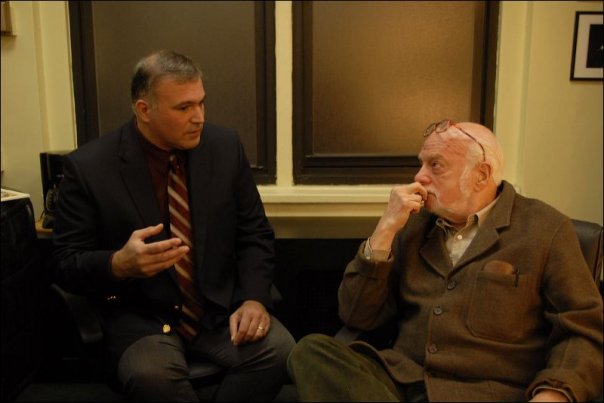
Being in the midst of writing about the art of collaborating, Robert said he was well-aware he was working on a book with theatre legends in their own rights such as Chita Rivera, Edward Albee, Hal Prince, Wendy Wasserstein, Brian Stokes Mitchell, and William Ivey Long all with the most esteemed work in their respective theatre careers.
“It wasn’t just a book about careers. It was about collaboration, because in theatre you collaborate,” he said.
Now retired from Playbill.com since 2018, the time between 1994 and 2018, Robert experienced countless Broadway moments as an editor, journalist, author, podcaster and the honor of having served on the Tony Awards nominating committee.
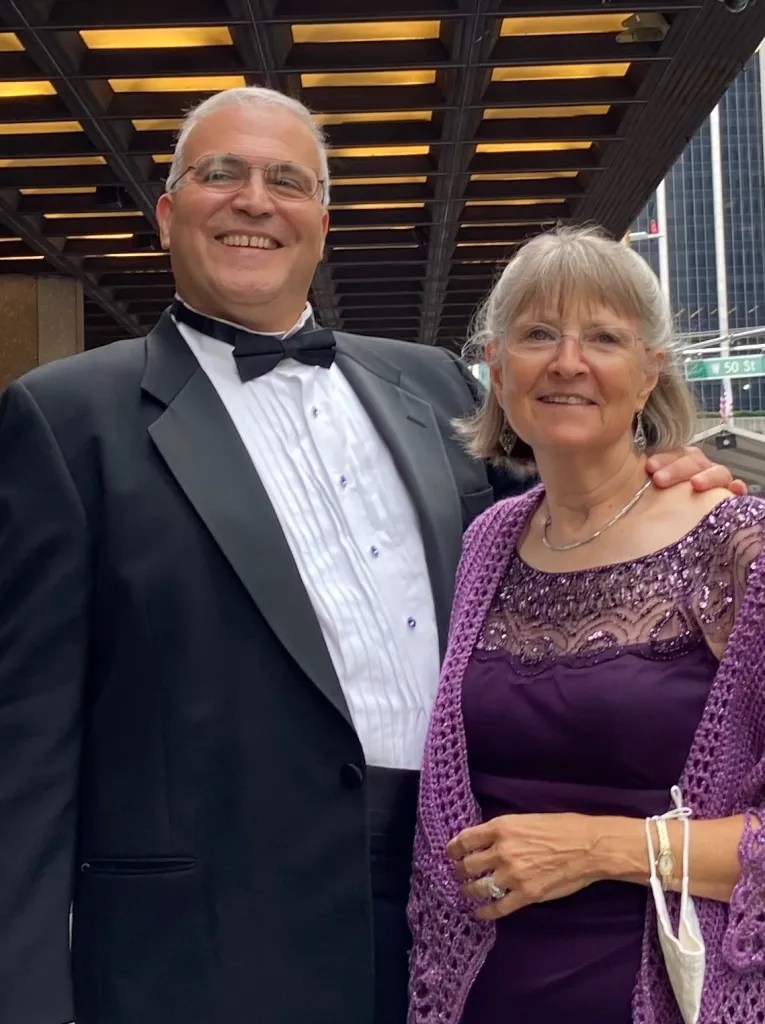
At the heart of it all for Robert is to travel with his wife Donna, a love that waited 50 years to find each other again. That and spending time with his first-born-grandson whom he said is his true legacy.
In terms of writing, he said, he is hopeful history will show through what he created at Playbill.com, his books and everything else in between that he created an interest among younger people putting it on the internet.
“I feel like I have done my part to help keep theatre alive,” he said.
Right This Way, along with other published works of Robert’s can be found on Amazon. To see his take on the 2025 Tony Award snubs check it out here with Encore Magazine:



Photos courtesy Robert Viagas
 The Human Interest Story